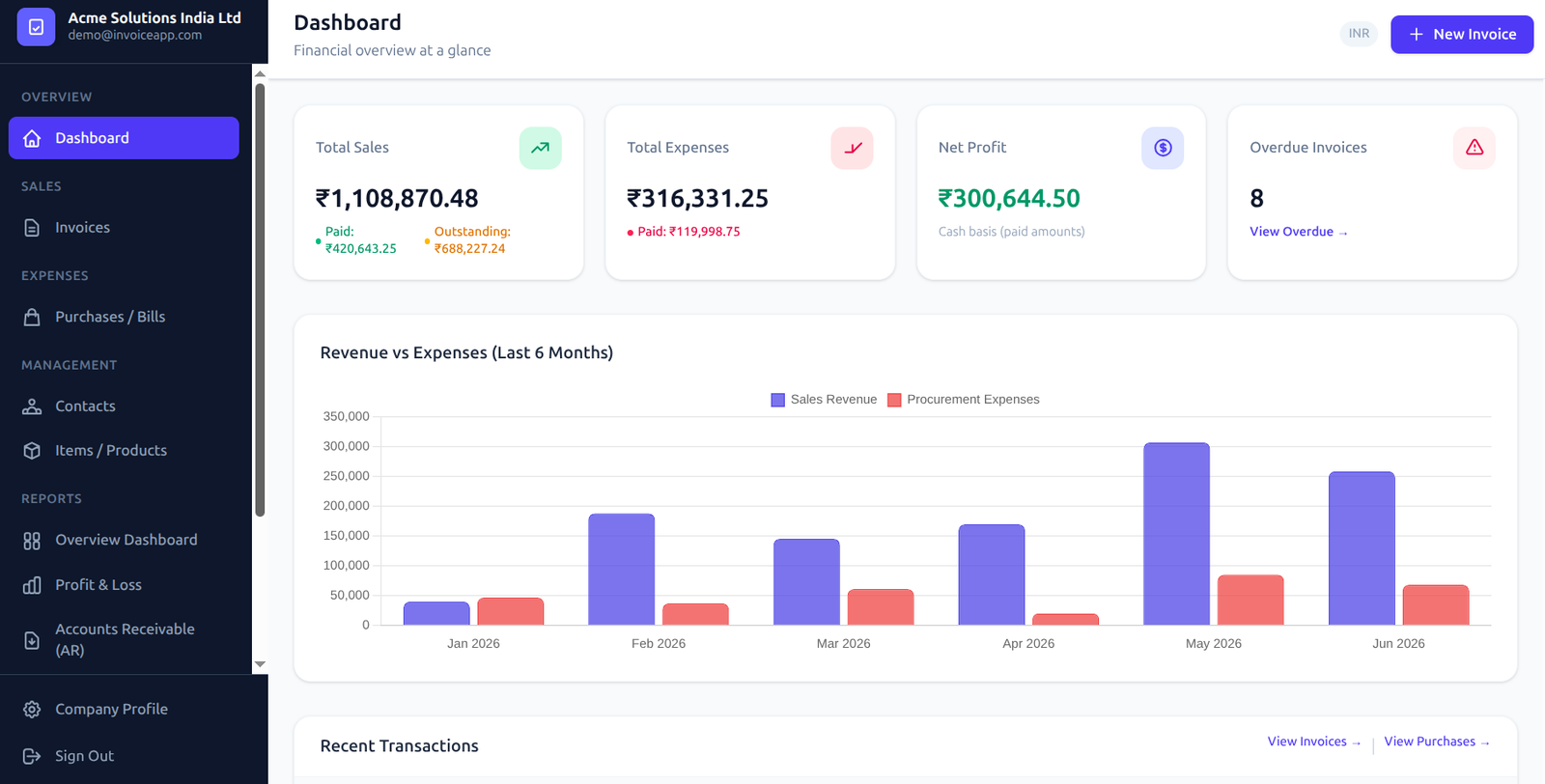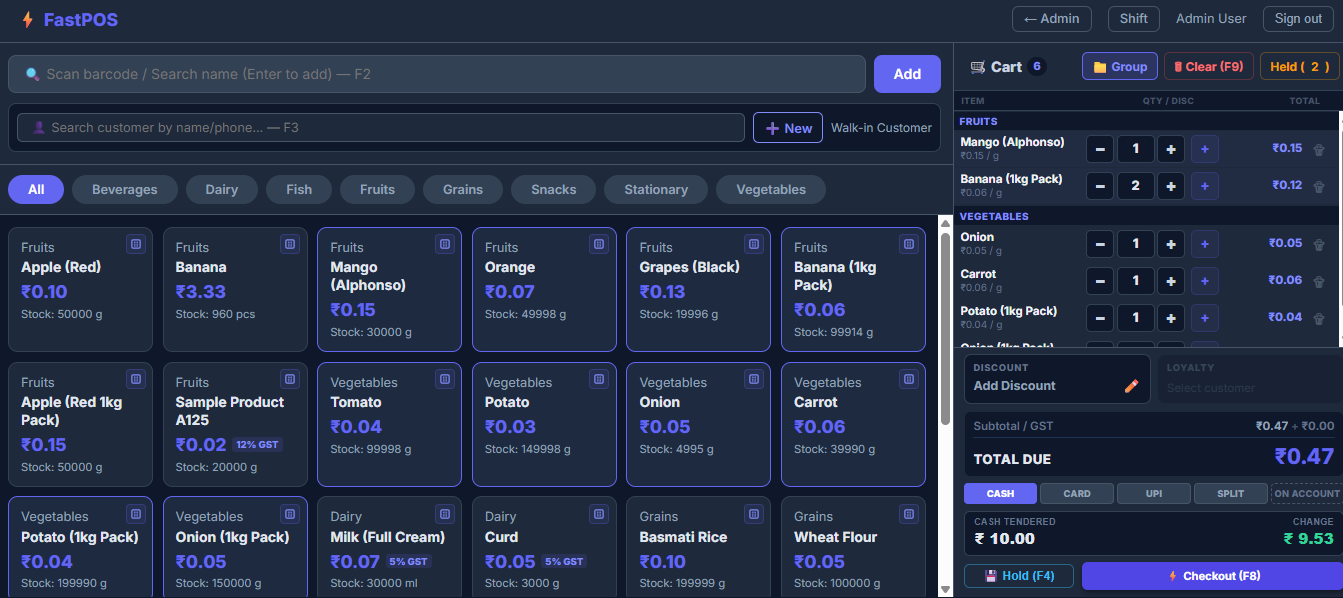
For decades, retail checkouts were dominated by heavy, proprietary offline point-of-sale (POS) systems. These closed-loop cash registers kept transaction data locked locally inside on-premise servers. However, the retail landscape has evolved. Today, high-performance web and cloud-based POS systems are redefining store operations by combining standard web accessibility with enterprise-grade sales management.
Real-Time Inventory and Cross-Branch Sync
With legacy offline POS systems, inventory logs are typically synced in daily batches, or kept isolated on local database setups. This makes real-time multi-store coordination nearly impossible, resulting in inventory discrepancies and stockouts. A cloud-based Web POS updates inventory records globally on every single sales check, ensuring that physical stores, warehouses, and online shopping carts stay fully synchronized instantly.
Hardware Flexibility and Cost Efficiencies
Legacy POS models require expensive dedicated hardware, terminal licenses, and regular manual maintenance by IT technicians. Web POS systems run within standard web browsers, allowing store operators to utilize off-the-shelf hardware like iPads, Android tablets, laptops, and mobile terminals. This significantly reduces initial setup costs and makes scaling new cash counters as simple as opening a new browser tab.
Automatic Updates and Seamless Compliance
When tax regulations change or new features are developed, legacy offline systems require manual updates on each individual terminal, leading to downtime and security gaps. In contrast, Web POS platforms deploy updates instantly to all terminals via the cloud. Cashiers always run the latest version, ensuring secure payment gateways and up-to-date local tax compliance configurations without on-site visits.
Solving the Offline Challenge with Hybrid Caching
A common critique of cloud-based POS systems is their reliance on active internet connections. Modern web engineering solves this using hybrid offline caching. By utilizing browser storage layers (such as IndexedDB) and service workers, modern terminals continue logging transactions and processing bills even when the network drops. Once the connection is restored, the client automatically synchronizes the offline sales data with the central cloud database, combining the reliability of offline systems with the power of the cloud.